Team, assets and operations management systems for construction companies
The Crew Master Model is a reusable product framework I designed and implemented across several construction and field-operations companies (Transprzęt, LuxDom, Antex, and others). Despite differences between clients, their challenges were identical: chaotic workflows, manual estimates, no operational visibility, and zero process standardization. My role combined product ownership, business analysis, UX architecture, and process transformation: turning fragmented operations into predictable, data-driven systems.
Product owner, Business analyst, UX Architect
2020 - 2025
The Crew Master Model is a scalable product architecture and process framework I developed to modernize the internal operations of multiple construction and field-service companies. Although each implementation (Transprzęt, LuxDom, Antex, and others) had unique nuances, the core business challenges were consistently the same:
No unified source of truth for tasks, crews, or materials
Manual or inconsistent estimating processes
Paper-based reporting and communication gaps
Lack of transparency in costs, progress, and operational performance
No digital structure to support daily decision-making
To solve this at scale, I created a modular, repeatable operating model that could be adapted for each client while maintaining a strong, consistent foundation.
Across all implementations, the goals aligned around:
Digitizing and structuring field operations
Automating and standardizing job estimation & cost management
Improving coordination between office teams and field crews
Creating real-time visibility into operations and unit economics
My role
Discovery & Research: interviews, ride-alongs, process mapping (AS-IS / TO-BE), and data flow analysis.
Process & System Architecture: defining domain models, information architecture, workflows, permissions and operational logic.
Product Ownership: backlog management, writing user stories, defining acceptance criteria, and coordinating with engineering.
UX Architecture: designing cross-module flows (estimates → job → crew assignment → reporting → invoicing).
Delivery Leadership: cross-functional coordination with developers, QA, and management; supporting releases and iteration cycles.
By acting as both product strategist and operational analyst, I ensured that each solution was not just functional, but anchored in the real daily work of field crews and managers.
Core Framework: Crew Master Model
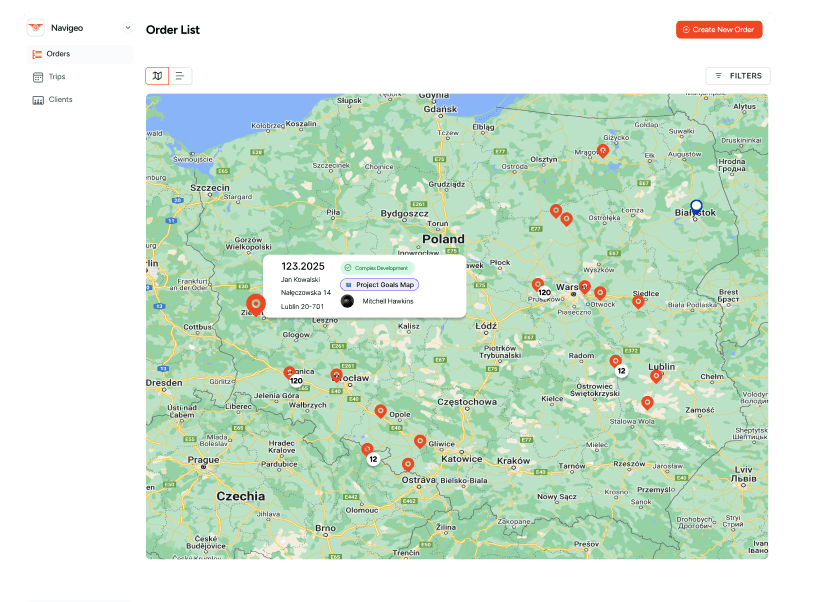
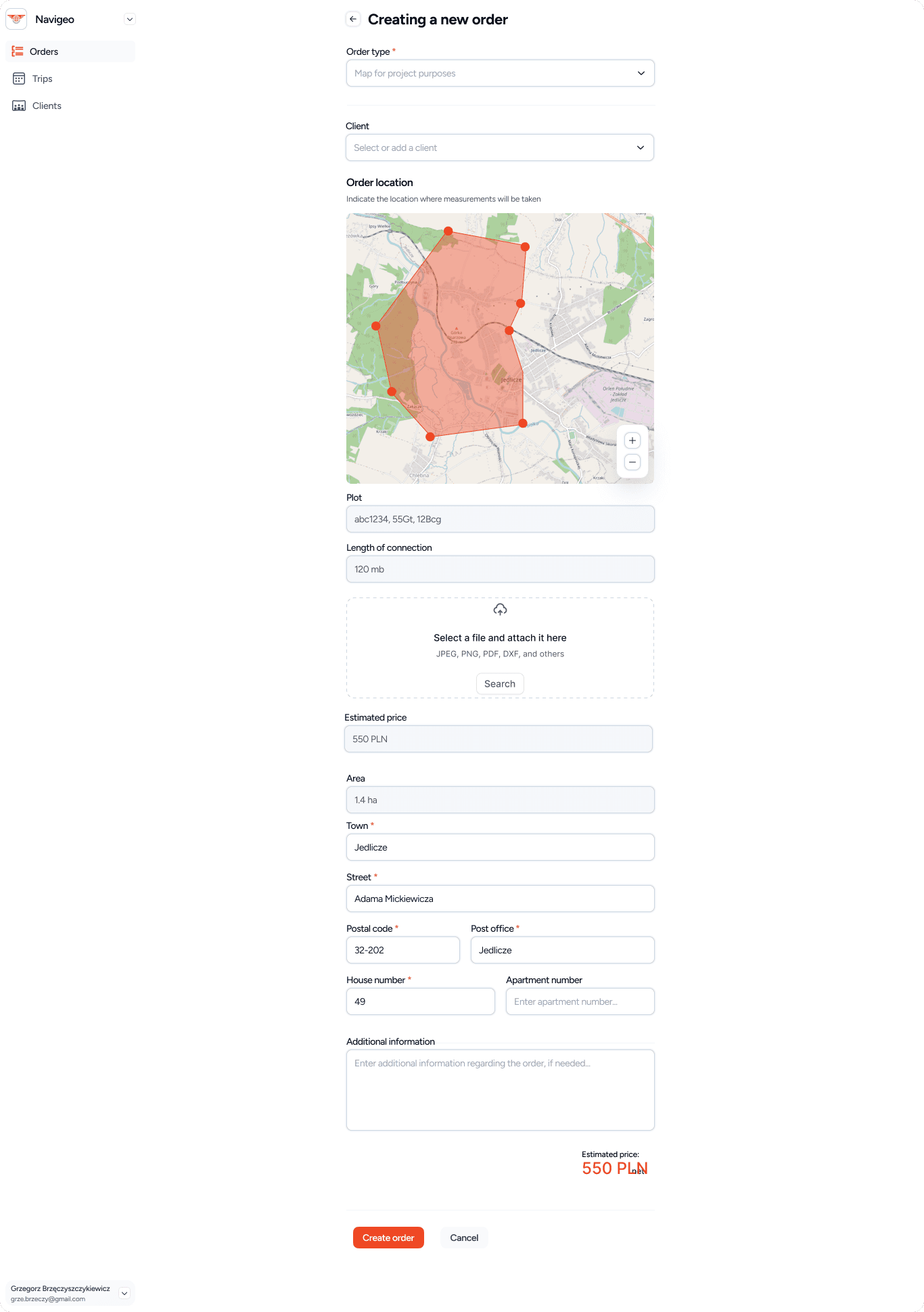
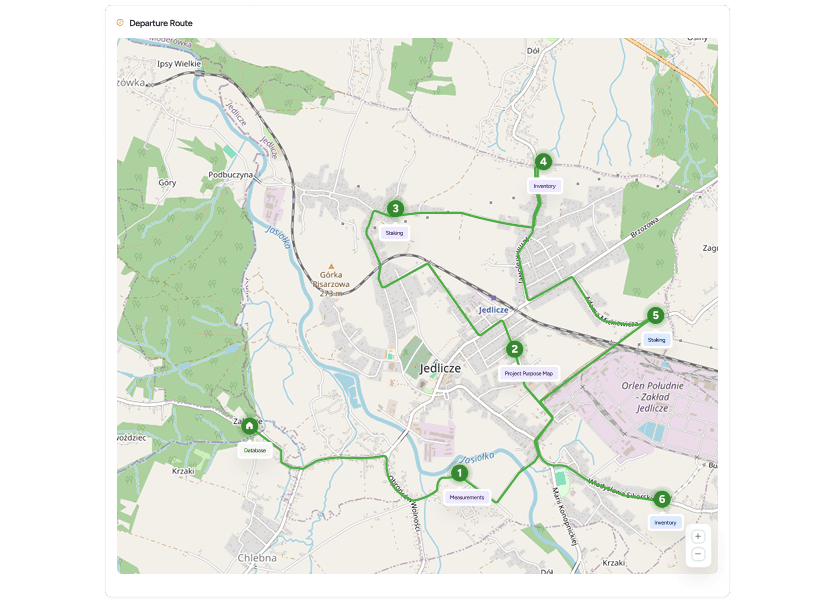
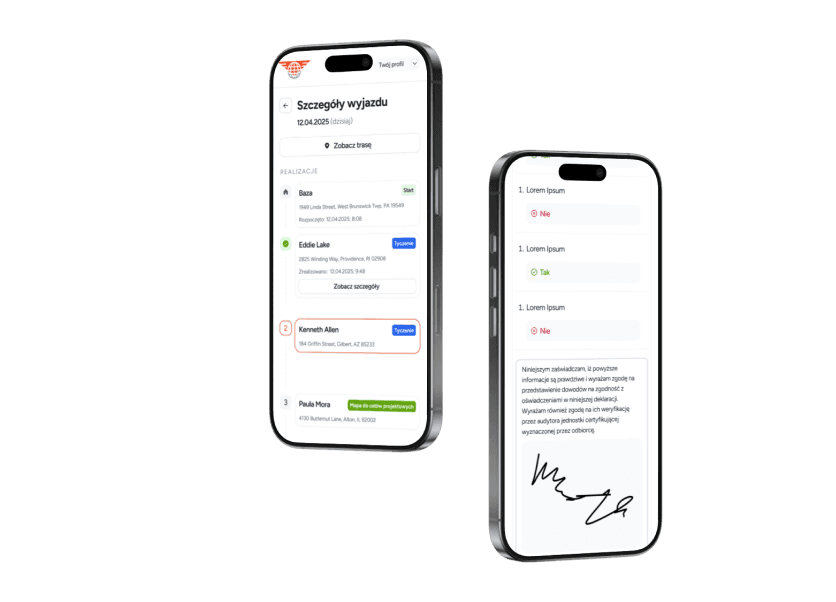
At the center of every implementation was a modular, reusable product framework designed to support the full lifecycle of field operations. The Crew Master Model combined a unified job management flow with a flexible estimation and costing engine, enabling teams to move from initial inquiry to approved quote with consistency and speed. It included a scheduling layer for coordinating crews across multiple job streams, supported by a mobile-first reporting experience that allowed field workers to track progress, materials, and time directly on-site. The system also incorporated lightweight CRM capabilities, registers for materials and equipment, and operational dashboards that surfaced performance insights, unit economics, and workload distribution. Together, these components formed a coherent operating backbone—adaptable to each client, yet strong enough to standardize and scale their day-to-day operations.
Across all clients, the Crew Master Model delivered:
Faster job estimates (from days to hours)
Higher operational predictability through standardized workflows
Reduced communication overhead between office and field
Better visibility into costs and profitability
Easier onboarding of new team members thanks to structured procedures
Repeatable product foundation that could be deployed and adapted rapidly